“Joyfully Reading the Beauty of Science Fiction” Science Fiction Literary Lecture Debuts at Kao Yip Middle School Young Science Fiction Authors Liang Ling and Luo Xia Sharing Their Insight on Writing in the AI era with the Students
In alignment with the State Council’s first-ever “National Reading Campaign Week” and UNESCO’s “World Book Day,” the Science Fiction Literary Lecture – “Joyfully Reading the Beauty of Science Fiction”, jointly organized by the China Writers Association and the Macao Science Center, with the support of the Kao Yip Middle School, is held this afternoon (April 22) at the Ho Yin Hall of the Kao Yip Middle School. Two young science fiction authors from the Chinese mainland, Liang Ling and Luo Xia, were invited to Macao to share with nearly 500 students from Kao Yip Middle School and guests the transformation and challenges of science fiction writing amid the rise of AI, with the theme of “Dancing with Science Fiction: How Do We Write in the AI Era?” The event was broadcast live on the China Writers website, the Macao Science Center’s Facebook page, and the Center’s YouTube channel, attracting over 2,660 online viewers.
In her speech, Dr. Mok Ian Ian, President of the Board of Directors of Macao Science Center mentioned that this year signifies the commencement of the national “15th Five-Year Plan” and is also the year for the State Council to inaugurate the “National Reading Campaign Week” and initiate the implementation of the “regulation to promote public reading”. In response to the national strategies, the Center launched the “Joyfully Reading the Beauty of Science Fiction” Science Fiction Literary Lecture in 2023. This initiative aims to bridge science and technology with humanities education through science fiction, thus fostering the cultivation of local innovative talents through literature. Dr. Mok Ian Ian extended her gratitude to the Kao Yip Middle School for its support, which enabled the event to be hosted on a secondary school campus for the first time. In response to the national “AI+” initiative, the Center launched the “AI General Education Initiative for the Whole Society” last year. Rooted in the principle of “Tech for Good,” the initiative seeks to educate the public on leveraging AI and understanding its potential to improve human well-being. As a National Science Popularization Education Base, a Scientist Spirit Education Base, and a member of the Chinese Alliance of Sci-Tech and Cultural Institutions, the Center has always taken it as its mission to implement the “Outline of the National Action Plan for Scientific Literacy”. Science fiction literature serves as a carrier connecting scientific spirit with humanistic sentiments. It not only inspires imagination about the future, but also cultivates innovative thinking and scientific literacy, allowing individuals to engage with the future through reading.
In his speech, Mr. Martin Ma, Vice Principal of Kao Yip Middle School, remarked that with the upcoming World Book Day on April 23, both the National Reading Campaign Week and the school’s fourth annual Book Culture Festival were currently underway. He expressed gratitude to the China Writers Association and the Macao Science Center for organizing the event at the school, providing students with a valuable opportunity to engage face-to-face with science fiction authors. At the same time, he also expressed hope that the students would expand their horizons, find inspiration, and kindle their enthusiasm for delving into science through such interactions.
Prior to the speeches, a book donation ceremony took place, during which two young science fiction authors donated autographed copies of their works to guests from the event organizers and co-organizers. Subsequently, Liang Ling, drawing on her background in geology and technology, analyzed the relationship between generative AI and users. Referring to Hegel’s lord-bondsman dialectic, she underscored that an excessive dependence on AI might erode human creativity over time. AI excels at delivering “average” outcomes but lacks the autonomy to generate contents independently. She encouraged the audience to consider AI as an “instrument” rather than a “writer”, leaving repetitive tasks to AI and setting aside time for personal experiences, real-life engagements, and reflection.
Drawing on a decade of experience in science fiction editing and writing, Luo Xia outlined the features of “AI-sense” writing, including rhetorical complexity, a three-part structure, and a lack of vitality. He advised young writers to make good use of AI as an auxiliary tool, rather than merely replicating its generated content. He emphasized the importance of transforming firsthand life experiences into science fiction ideas to create unique and irreplaceable works. Encouraging students to embody a sense of “humanity” and “anti-clichés,” he advocated for personalized expression in the AI era.
During the Q&A session, the students enthusiastically posed questions on various topics, including AI emotion recognition, brain-computer interface technology, and the ethical considerations in science fiction writing. The two authors responded to each question with expertise and amiability, fostering a vibrant and engaging atmosphere. Some participating students expressed that the lecture provided them with a better grasp of the limits of AI-assisted writing and also ignited their curiosity to explore science fiction writing themselves.
Other distinguished guests attending the event included: Bai Bing, Deputy Director of the Department of Publicity and Culture of the Liaison Office of the Central People’s Government in the Macao SAR; Zhao Xinyu, representative of the Hong Kong, Macao and Taiwan Affairs Office of the China Writers Association; Chan Sio Ieong, Vice Principal of Kao Yip Middle School; Kuan Ho Weng, President of the Supervisory Committee of Macao Science Center; U Hon Sang, Tam Kam Weng, Tong Hoi Yee, the members of the Board of Directors of Macao Science Center; To Wai Ming and Lau Ion Tong, members of the Consultative Committee; and Cheong Hung Fat, Deputy Curator of Macao Science Center. Representatives from local cultural and science education organizations, including the Macau PEN Club, the Macau Authors Association, the Federation of Associations of Cultural Sectors of Macau, the Macau Youth Science Popularization Book Reading Award Activity Working Committee, the Macao Urban Culture Promotion Association, the Macao Library & Information Management Association, the Macau Association of Reading Culture, and the Macau Youth Science Education Association, also attended the event.
Macao Science Center is open from 10:00 a.m. to 6:00 p.m. from Monday to Sunday regardless of public holidays, and is closed on Thursdays and Lunar New Year’s Eve. For more details on upcoming events and programs, please visit the Center’s website (www.msc.org.mo) or follow its official social media channels for the latest updates.
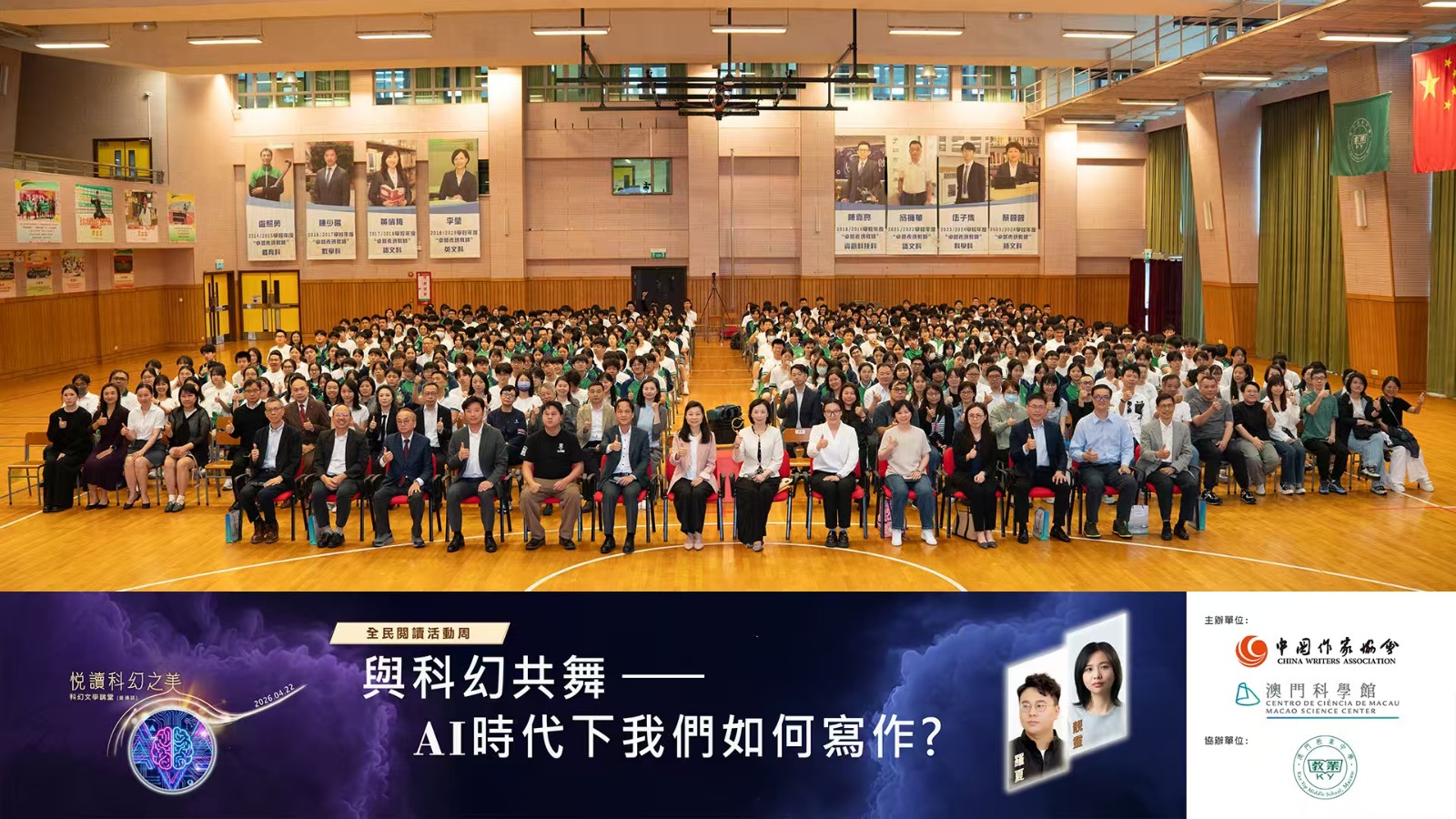
Group photo of all distinguished guests and the audience
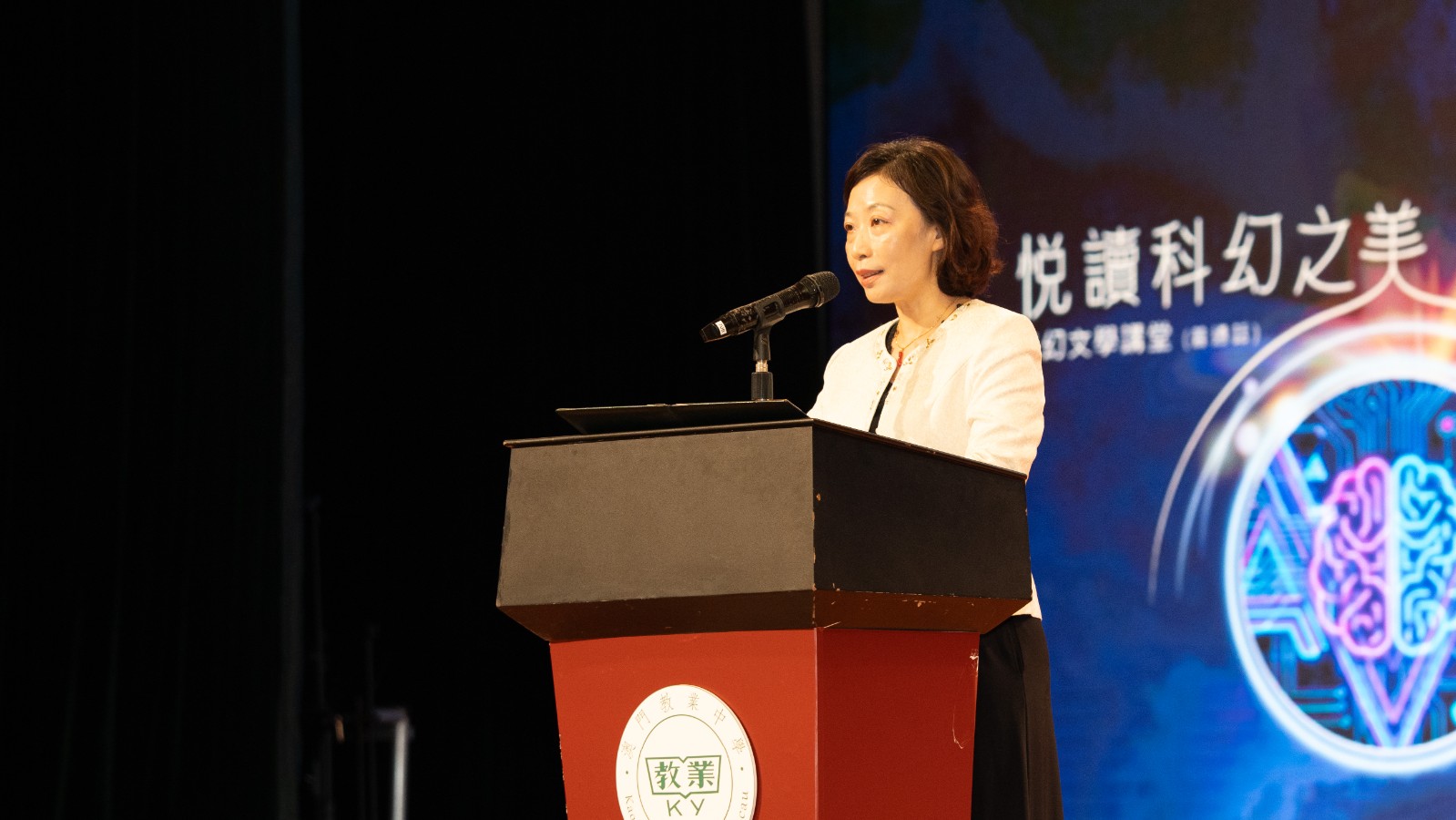
Dr. Mok Ian Ian, President of the Board of Directors of Macao Science Center was delivering a speech
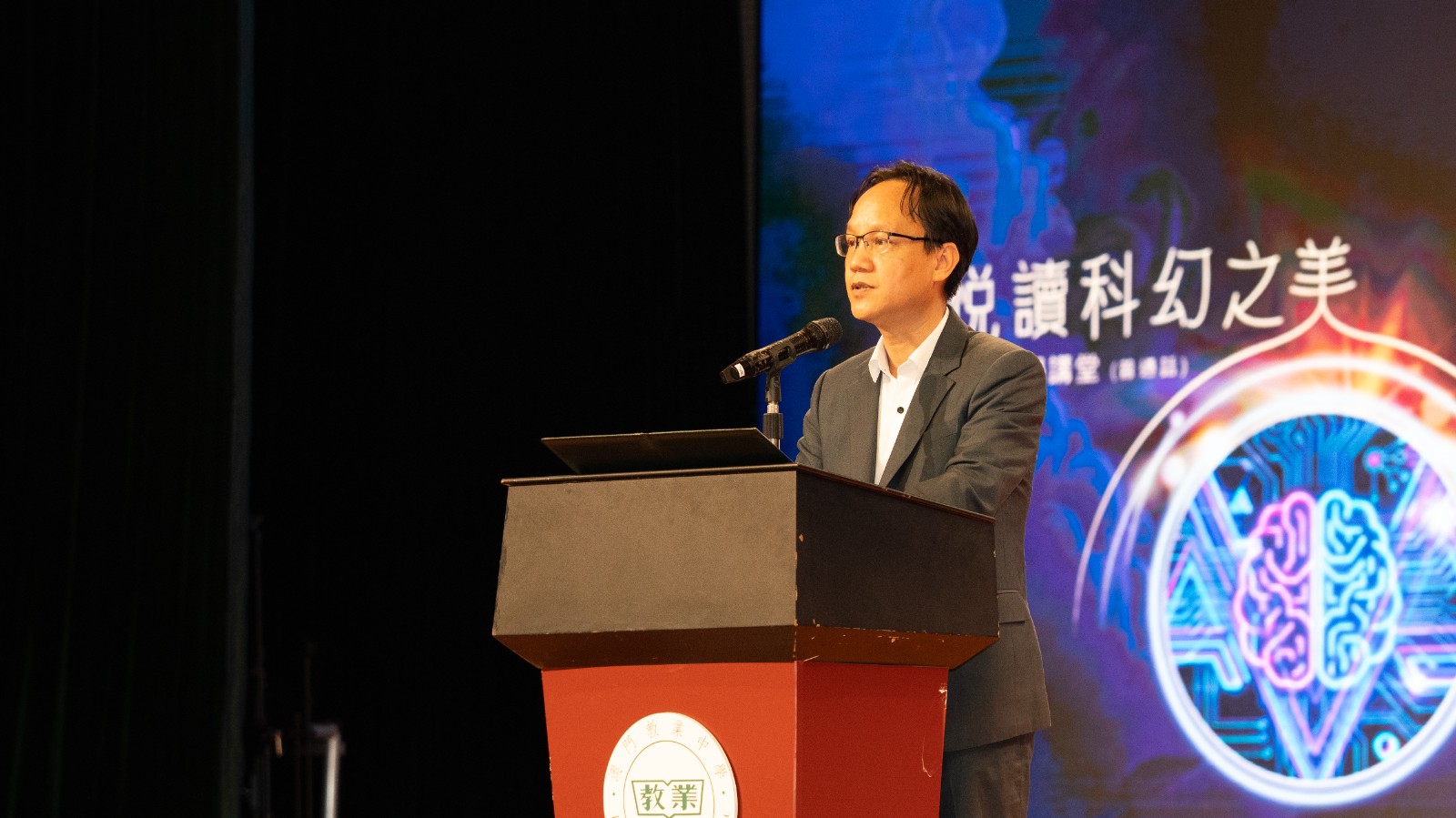
Mr. Martin Ma, Vice Principal of Kao Yip Middle School was delivering a speech
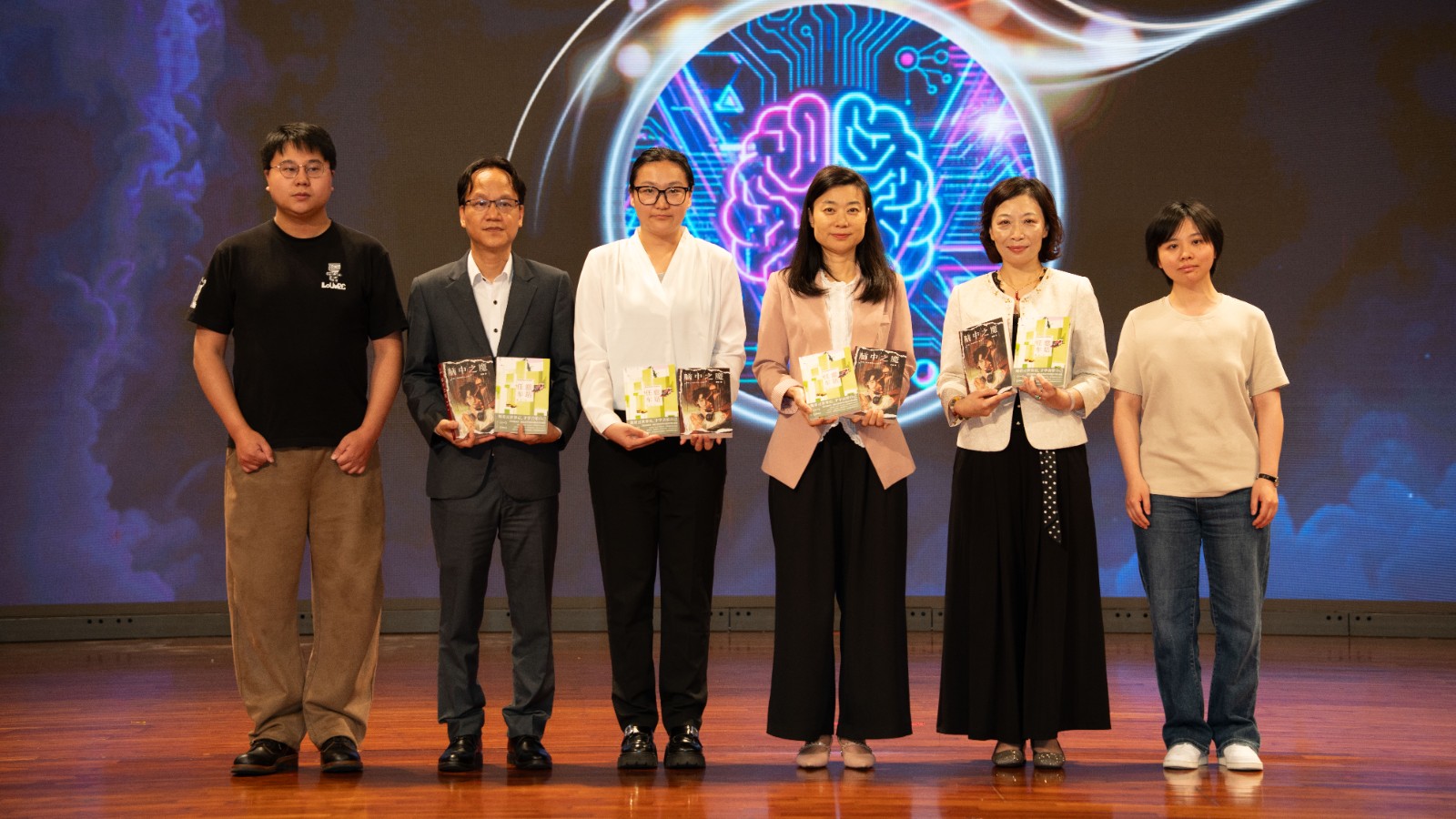
Group photo of guests and speakers at the book donation ceremony
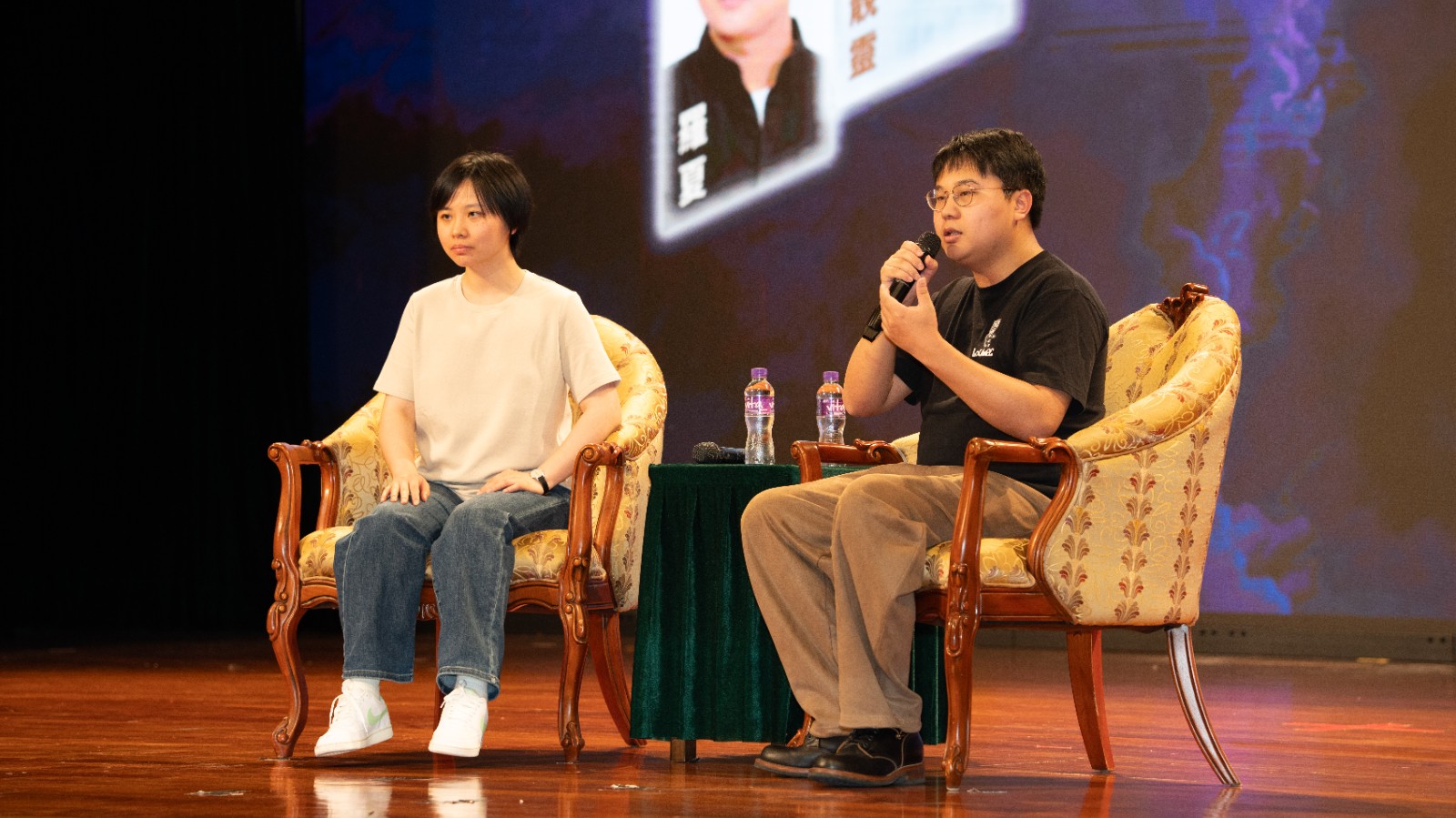
Liang Ling and Luo Xia were responding to the students’ questions
# # #
Macao Science Center Limited
13-PR-PUB-26
April 22, 2026